On the stolen land of the Blackfeet, Ktunaxa, Salish, Cayuse, Umatilla, and Walla Walla peoples.
Close to a year ago, I wrote a series of posts about my time in Montana that I did not immediately publish. In anticipation of a return to the CDT at some point in the future (not this year), it’s important to me to publish them and close the loop. I’d wanted to write and publish posts as soon as I got home, but it took me a long time to reflect, to grieve, and to ask some big questions. Even then, I wasn’t sure how in depth I wanted to go in a public space. There are some parts of my own mental illness that I’m going to leave out of these posts for my own privacy. I apologize if some context is missing as a result.
Including this post, it will be an 8 part series with Glacier National Park in 3 parts, the Bob Marshall in 3 parts, and the Scapegoat Wilderness in 1. I’m going to release them by section.
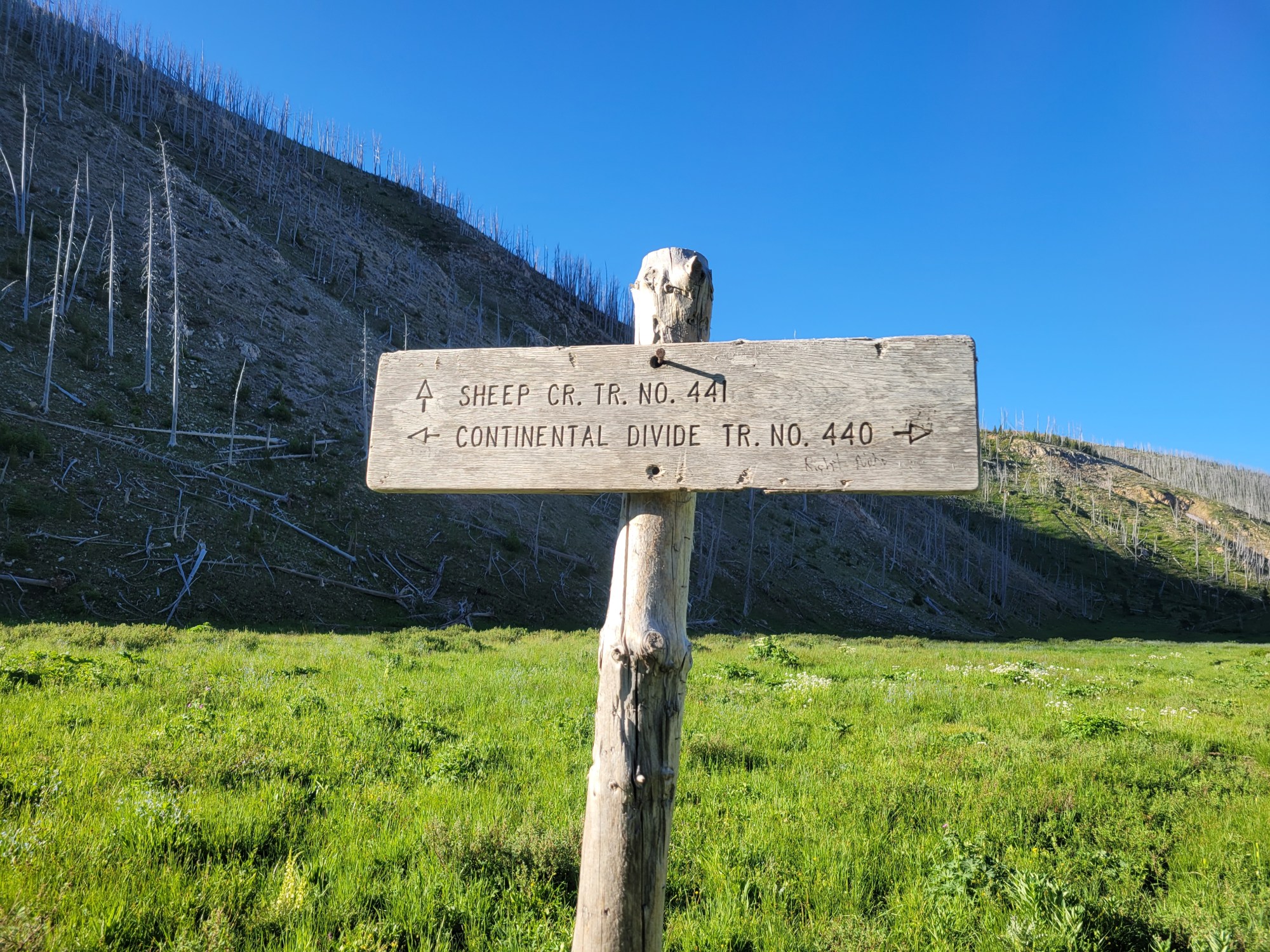
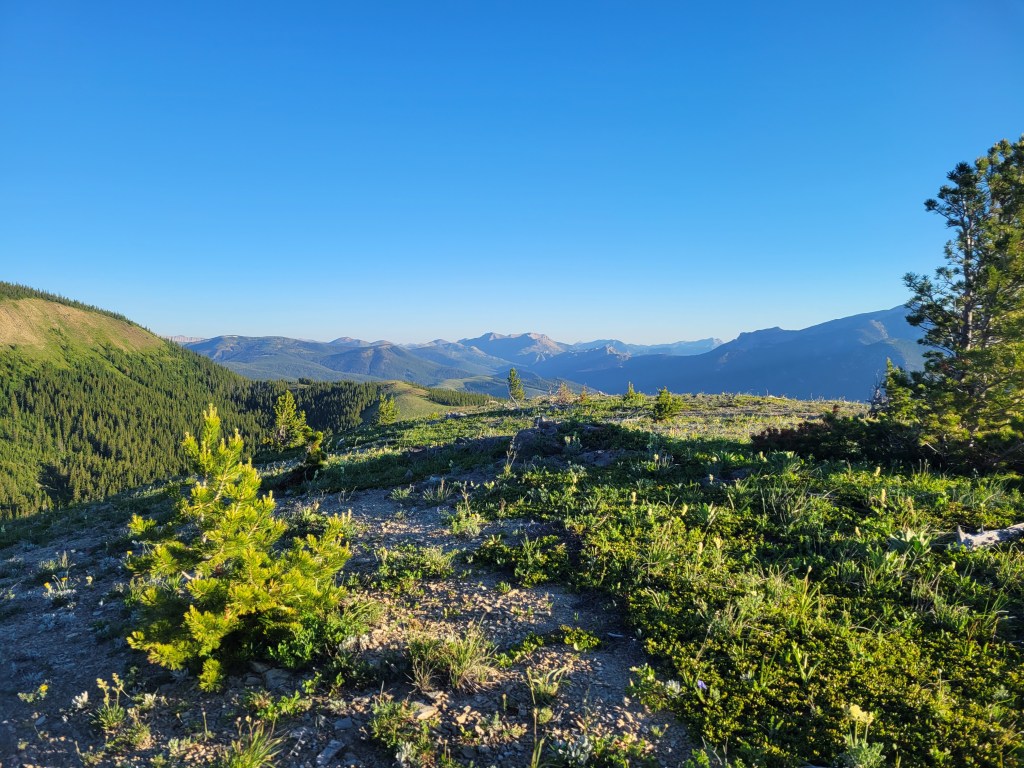
I made two big mistakes in attempting to flip and hike SOBO. (1) I believed that returning to the CDT would cancel out the grief of being forced off, and (2) I believed that the trail would provide space for me to recover from the burnout I’d driven myself into. The result was me, standing on a ridge in the Scapegoat Wilderness (the poeticism of the name is not lost on me) after a gentle morning climb in perfect weather, staring down at the Earth and feeling absolutely nothing except a desire to be anywhere else. When I talk to other backpackers and thru-hikers now, I tell them this: you’ll have your rage quit moments, you’ll have your rough days. If you really need to get off, if you actually need to quit, it won’t feel like that. If you actually need to quit, you’ll know.
To Recap
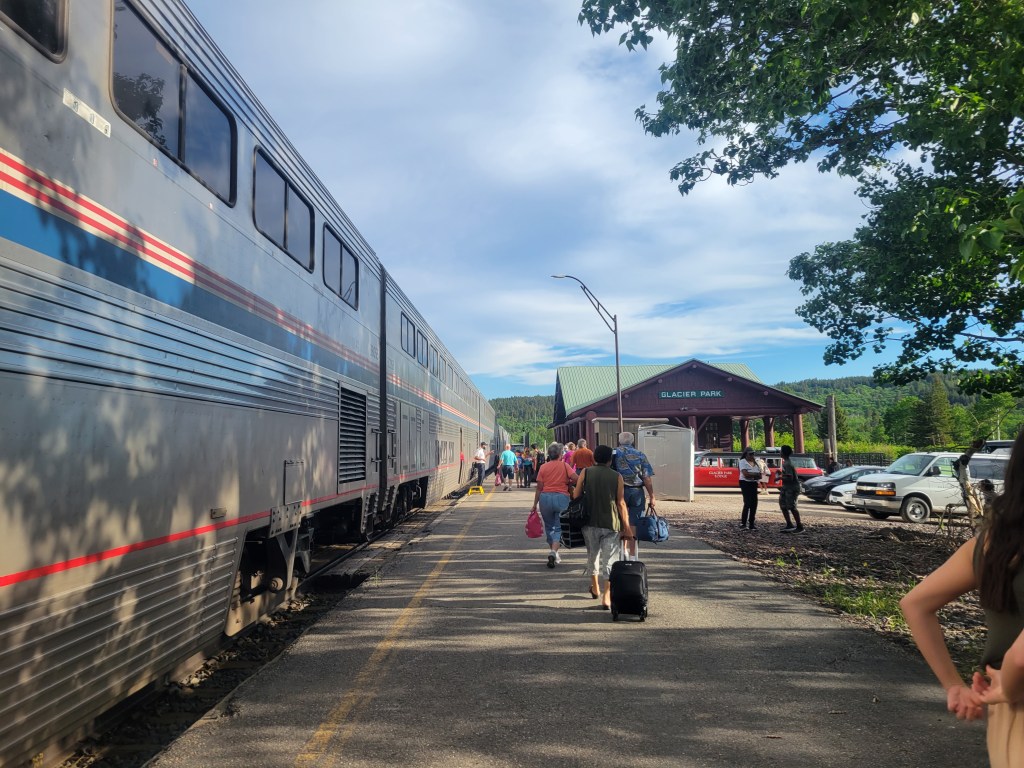
I started my hike northbound at the Mexican border, got Giardia in the Gila River Canyon in New Mexico, hiked with it for four days, then bailed out with the USFS. They took me to Reserve, NM, a town not large enough to have adequate medical care, and I was faced with paying out of pocket for an out-of-state ambulance bill and ER visit or paying for a plane ticket home to get free medical care in-state. I chose the much cheaper option and flew several thousand miles back to Ohio to get a $2 antibiotic. I then worked for about 6 weeks before hopping on a 40ish hour Amtrak ride to Glacier National Park to attempt the same hike southbound, starting at the very end of June.
How I Wrecked My Head
What I didn’t talk about in the post about coming home or the post about returning was the absolute havoc that all of it wreaked on my mental health. Within the span of about two weeks, I got giardia, lost my NOBO thru, and went from strenuous exercise nearly all waking hours of the day to getting light exercise at work at most. I went back to work full time within a week of coming home and worked fervently to do all the research and planning necessary to put together a SOBO hike in a tenth of the time I’d had to put together the NOBO one. Some of the research transferred but much of the planning didn’t. The emotional whiplash was insane. The loss of the exercise endorphins alone was enough to break my brain chemistry, not even taking into account the rest of it. I have pre-existing mental health conditions and am very sensitive to changes in endorphin levels already. It was rough, but I put my nose to the grindstone because I knew that was what it was going to take to get back out there.
In all of this time, I did not stop to check in with my brain beyond the surface level, did not bother to ask myself more deeply how I was doing. Quite frankly, I didn’t want to know. I figured returning would make me whole again, that standing on the red line would cancel out the devastation of getting off trail, would give me back what I had left in New Mexico. The giardia was a delay, a setback, a good story, nothing more.
My burnout started way before my thru. I have a tendency to cope with emotional pain by working my ass off so I’m too busy to touch it. I have a good bit of baggage I’m going to be working through for a long time, and prior to my thru attempt, I’d been coping with it by doing full time work and full time school simultaneously. There were always multiple things that needed my attention, and there was never any time to slow down. I set it up that way, both because it allowed me to continue to find validation for myself in achievements, and because it left me with no time for feelings.
I’m good at compartmentalizing, at sticking my feelings into boxes and chucking those boxes into the closet in the back of my brain. What I’ve always struggled with is figuring out how to deal with the boxes when the crisis is over. Instead, I took on too many responsibilities, continuing the crisis because it was what I knew how to handle. There was a finite amount of space in the dark closet in the back of my brain though, and the boxes weren’t out of sight out of mind anymore. I was out of room. I was out of room well before I went to New Mexico, but it was becoming its own crisis by the time I was planning to return SOBO. Still, I tried to continue. I didn’t know what else to do.
The SOBO Hike
It was a scramble to the finish line to even start the SOBO hike, and I started in Montana already burnt out and with a giant, steaming pile of unprocessed grief. Returning to the trail did not cancel out the loss that came from being suddenly forced off, and I found myself struggling to connect with the wilderness, with my feelings, with my body. I felt off from the beginning, unable to find the feeling I’d had for most of my time in New Mexico with any regularity. I’d returned too soon and to the wrong place. The pain didn’t cancel out, and I couldn’t get back what I was missing.
I tried to push through, entering the Bob Marshall, one of the hardest sections of the entire trail, in my second week without trail legs, burnt out, and out of touch with myself. Montana did not pull her punches, and by the time I got to the Scapegoat Wilderness south of the Bob, I’d hit the point where I wasn’t sure I could trust my own judgment calls because I wanted to be literally anywhere else. I needed to stop, to pause for a while, to give myself a second to breathe. Montana was chaos and the trail needed me to be able to bend to it, needed me to give myself over. I wanted to want to, knew what it felt like to want to, but I had nothing left in the tank.
In the mountains of the Scapegoat Wilderness, I asked myself why I was out there. Are you just here to prove your own resiliency to yourself? What will it take to prove that? Have you not proven it enough already? I had lost the joy, had lost the other anchors, had lost the reasons I’d scribbled down onto a loose sheet of paper in the airport in Tucson. None of it felt like it mattered anymore. It was the wrong time, the wrong place, the wrong headspace. I was numb and exhausted and beyond any reasonable emotional limit. Something had to give, and it wasn’t going to be the mountains. It was going to have to be me.
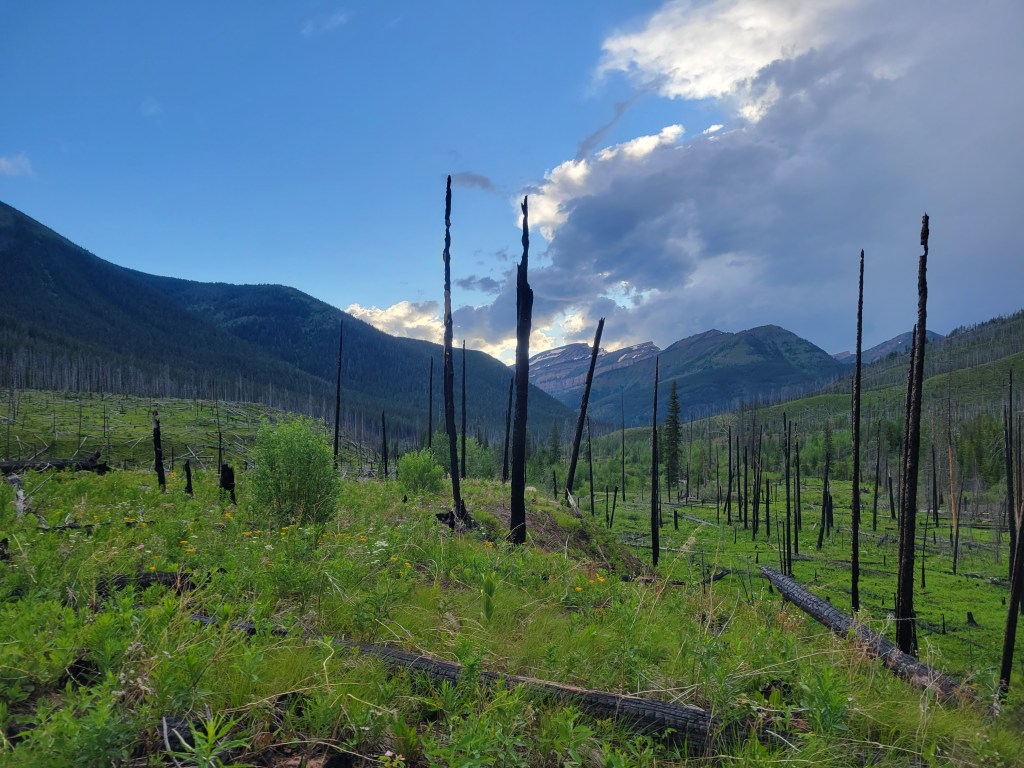
I had a few close calls with my life that contributed to the fear and grief I felt, and I was behind schedule from the moment I started onward. I had to skip a large section of Glacier which was a rough way to start off, and I didn’t find a group that I jived with, was comfortable with from a risk management perspective, and could match hiking speed with. I also had a bad feeling about the section I was approaching. It felt like the universe and my brain were screaming, trying to get my attention. Not this time. Not now. Not here. I asked myself what I would do instead. I came up with a list. I slept on it. It wasn’t what I wanted, not really, but it was the right call. I was pretty sure then that I was done with the CDT for good, that I would not be back. I didn’t have enough perspective at the time to understand what had gone awry. Backpacking has been such an anchor for me for most of my adult life, and I was worried I was losing it.
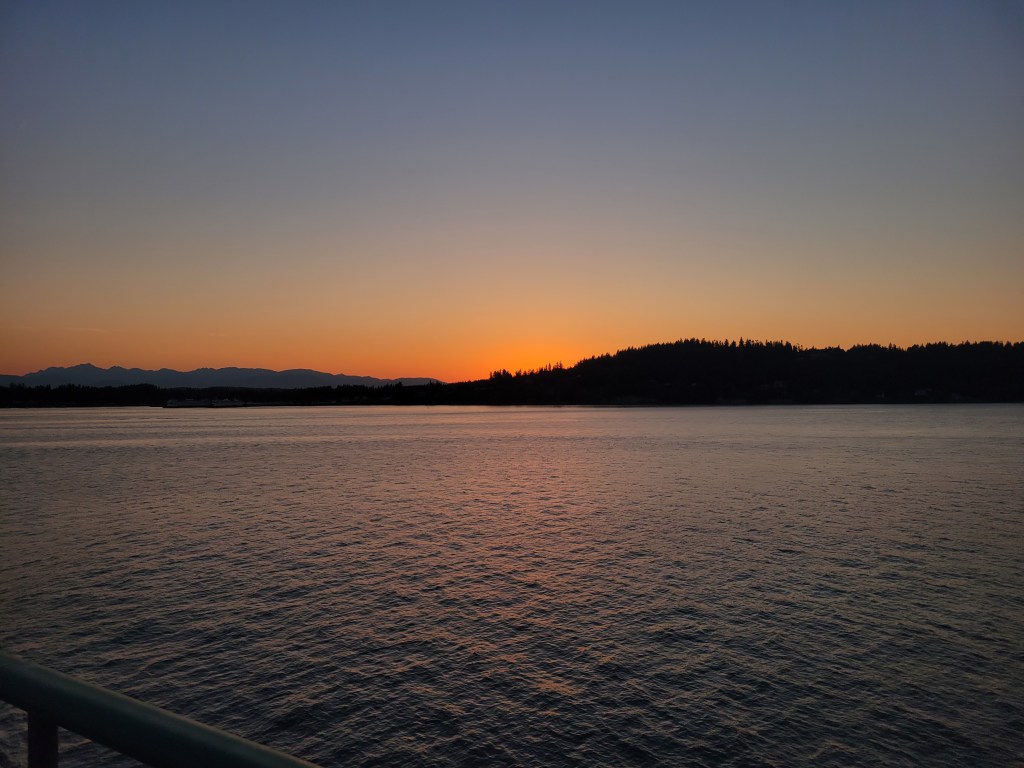
After Montana
I went to Seattle to visit family. Nothing felt real, I was in a fog, dissociating, off kilter. I’m not sure how much of that was the sharp shift in endorphin levels that came with the change in exercise habits and how much of it was everything else. I came home, still carrying the weight. I cried in my car before work, flailed about trying to figure out what I was supposed to do now that I was not doing the CDT, tried to figure out how to get on with my life. In the meantime, I worked nights at a job that didn’t require a lot of emotional energy. It gave me space and the opportunity to rest, to reflect, and to reconsider.
For a long time after I came home, I felt unmoored; stagnant and drifting at the same time somehow, unsure of what I wanted out of the future. I felt destined to be stuck ricocheting between needing to be in he wilderness when I was in civilization, and needing to be in civilization when I was in the wilderness, always in one place but longing for the other. I was wrong: I am still capable of being fully present in both spaces, but I needed to give myself time and space to see that.
I am still coming home to the wild parts of myself. I am still figuring out what it means to loosen my grip on life, to stop pushing myself past breaking point just to avoid dealing with hard feelings. I am learning to unpack the boxes. I’m learning to let things go, to make lasting changes in how I operate to protect my sanity and my health. There were things I needed to learn the hard way; changes I wasn’t going to make without a cosmic shove. The trail held up a mirror, and this is what it needed me to see. The trail provides, it always does. Just not always in the way you want it to.
I am okay now. I’ve settled back into my life here and have let go of a lot of plans I had for the future in order to leave it open to pursue a life that is wild; a life that is maybe harder than the more standard trajectory but that provides the kind of freedom that allows me to thrive. I am reexamining what I want from my life and reexamining how I live it. I’m grateful for every second I spent with the CDT, for the joy and the loss and the learning. The trail upended my life completely, and I regret nothing.
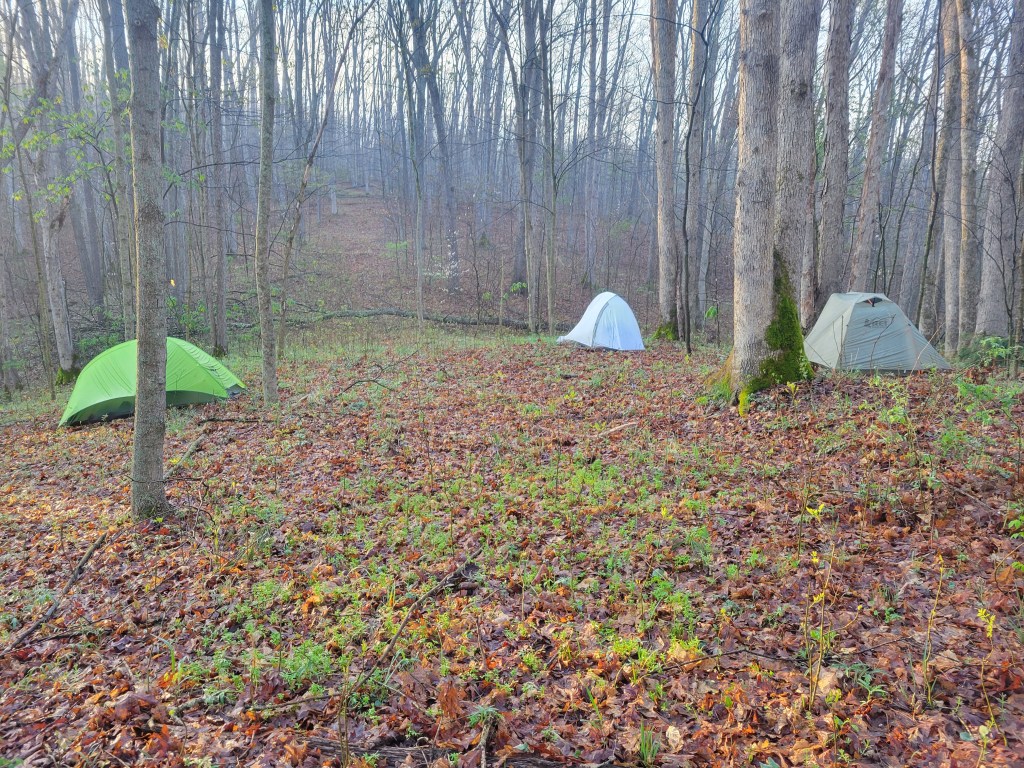
Mary Oliver asked, “Tell me, what is it you plan to do with your one wild and precious life?” I was drifting after I came home, unsure. Now I know.
To those who have supported and believed in me through all of this, thank you. Your support and encouragement have meant the world to me. Thank you for being the people I got to be excited to call home to and for welcoming me back with open arms.
And for those who are called to wild places, go.
 Marin on the CDT